
Feeding children well involves more than choosing nutritious ingredients. Parents also have to manage meal planning, grocery shopping, preparation time, picky eating, school lunches, and changing food preferences.
For busy families, prepared kids’ meals can reduce some of this daily workload while keeping convenient options available. Nurture Life is a U.S.-based meal delivery service created specifically for babies, toddlers, and children.
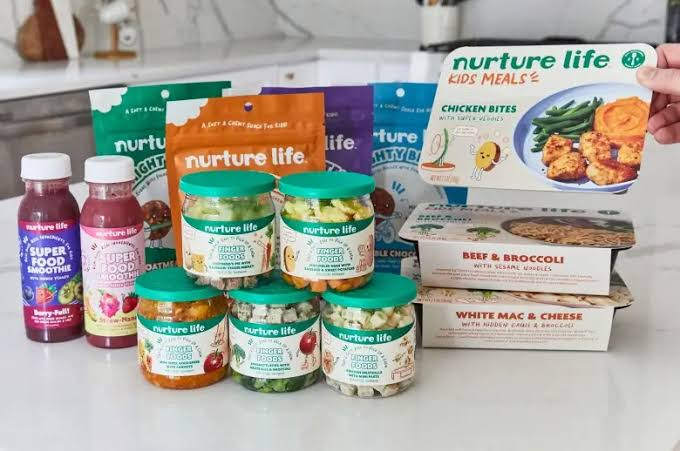
Its range includes Finger Foods, Kids Meals, Lunchkins, Oaties, Smoothies, Mighty Bites, and Super Sammies, covering different ages and eating occasions. Understanding its meal options, nutrition approach, delivery, storage, and dietary considerations can help parents decide how it may fit into their routine.
What Is Nurture Life?
Nurture Life is a children’s meal delivery service built around ready-to-eat meals and snacks. Instead of sending ingredients that parents need to prepare, the company cooks the food and delivers it fresh in refrigerated packaging. Parents can then heat and serve the meals at home.
The service is designed for different stages of childhood. Finger Foods are intended for babies from around 8 months who are beginning to self-feed, while Kids Meals are designed for children from 1 to 8 years. Other products, including Oaties, Smoothies, Mighty Bites, Super Sammies, and Lunchkins, extend the range into breakfast, snacks, and school lunches.
This age-focused approach is one of the key differences between a children’s meal service and a conventional meal delivery company. The objective is not simply to provide smaller portions of adult food. Meals are developed around the eating habits, preferences, and developmental stages of children.
How Does Nurture Life Work?
The process is built around weekly delivery. Parents select the meals and snacks they want for their child and create their box. Nurture Life then prepares the selected food and delivers it fresh to the customer’s home. Once the meals arrive, they can be stored in the refrigerator and heated when needed.
For many Kids Meals and Finger Foods, preparation can take approximately one minute in the microwave. Meals can also be warmed in the oven, with the packaging providing the relevant instructions.
The subscription is also flexible. Parents can swap meals, manage upcoming orders, skip weeks, pause the service, or cancel rather than being locked into receiving the same selection every week. Nurture Life’s app can also be used to manage upcoming orders and meal preferences.
That flexibility matters because children’s eating needs and family schedules rarely stay the same from one week to the next.
Meals Designed for Different Stages of Childhood
Rather than putting every product into one broad category, Nurture Life separates its offerings by age and eating occasion.
Finger Foods for Early Self-Feeding
Finger Foods are intended for babies and toddlers who are moving beyond purees and beginning to feed themselves. Nurture Life describes these as small, soft foods designed for little hands and early self-feeding.
This stage is about more than simply introducing solid food. Children are also learning how to pick up food, handle different textures, and become more independent at mealtimes.
Kids Meals for Toddlers and Children
Kids Meals form the core of the service. They are designed for children approximately 1–8 years old and combine familiar kid-friendly foods with vegetables, protein, and other nutritious ingredients.
The menu includes familiar dishes as well as recipes featuring different flavors and cuisines. This gives parents the option of choosing dependable favorites while gradually introducing children to foods outside their usual rotation.
Breakfast and Snack Options
Nurture Life also covers eating occasions outside lunch and dinner.
Oaties are overnight oats designed for children 8 months and older. Smoothies are available from age 1, while Mighty Bites and Super Sammies are designed for children from age 2. Lunchkins are aimed at children aged 4–8 and provide grab-and-go lunch options.
This means parents can use different parts of the menu according to where they need convenience rather than treating meal delivery as an all-or-nothing replacement for home cooking.
What Makes the Meals Different?
Convenience is only useful if the food also fits a parent’s expectations for children’s nutrition. Nurture Life says its meals are designed by registered dietitians and chefs, with a focus on balanced nutrition, vegetables, protein, and real ingredients.
The company’s stated nutritional standards include vegetables in every meal, a good source of protein, and low levels of sugar and salt. Nurture Life also says its meals contain no trans fats, high-fructose corn syrup, artificial colors or flavors, or nitrates.
The brand also emphasizes food safety and says its meals are tested for heavy metals.
For parents, these details can be more useful than simply seeing a meal described as “healthy.” They provide specific criteria to consider when comparing prepared children’s foods.
Getting More Vegetables Into a Picky Eater’s Diet
Vegetables can become one of the biggest challenges at the family dinner table. A child may happily eat pasta or meatballs but reject the vegetables served alongside them.
Nurture Life approaches this in two ways. Some meals feature vegetables visibly, while others incorporate vegetables into familiar foods. For example, the company highlights meals such as Mac & Cheese with Hidden Butternut Squash and Chicken Meatballs with vegetables and spiral pasta.
The idea is not necessarily to make every vegetable invisible. Instead, incorporating vegetables into familiar recipes can give children another way to encounter foods they may otherwise refuse.
At the same time, parents can choose meals with different ingredients and flavors to gradually increase variety. This can be particularly useful for families who want convenient options without limiting their child’s menu to the same few familiar foods.
Fresh Delivery Instead of Frozen Meals
Another important consideration is how the food reaches the family. Nurture Life says its meals are made to order and delivered fresh rather than frozen. Refrigerated packaging is used during delivery to help maintain freshness.
Once delivered, meals generally last about a week in the refrigerator, although parents should always follow the specific “Enjoy By” date printed on the packaging. Selected products, including Kids Meals, Finger Foods, Oaties, Superfood Smoothies, and Super Sammies, can also be frozen for up to 90 days according to the company’s current guidance.
This gives families some flexibility when their weekly schedule changes. Meals can be kept refrigerated for upcoming days or, where permitted, frozen for later use.
What About Allergies and Dietary Preferences?
Food allergies require more attention than simply choosing a product labeled “allergy-friendly.” Nurture Life offers various meals that are vegetarian, gluten-free, egg-free, fish-free, soy-free, and dairy-free.
The company also says its facility is free of peanuts and tree nuts other than coconut. However, its kitchen processes ingredients including coconut, milk, eggs, fish, soy, wheat, and sesame.
Therefore, parents managing an allergy should check the complete ingredient list and “contains” statement for every product before serving it. Nurture Life itself recommends reviewing these details, and notes that its service may not be appropriate for children with celiac disease.
Can Nurture Life Replace Home-Cooked Meals?
A meal delivery service does not have to replace everything a family cooks at home. For some households, Nurture Life may be useful as a weekday dinner solution when there is little time to cook. For others, it may be more useful for school lunches, snacks, breakfast, or the transition to finger foods.
This makes the service particularly relevant to the “in-between” moments of family life. Parents can continue preparing meals when they have the time and use ready-to-eat options when they do not.
The practical benefit is therefore less about eliminating home cooking and more about reducing the number of meals that require planning, shopping, chopping, cooking, and cleanup.
How to Decide Whether It Fits Your Family
Parents considering a children’s meal delivery service can look beyond individual dishes and consider how the service fits their overall routine. Start with the child’s age and eating stage. A baby learning to self-feed may benefit from a very different selection than a school-age child who needs a convenient lunch.
Next, consider dietary requirements. Ingredient lists, allergen information, and nutritional details should be checked before ordering, particularly when a child has an allergy or medically required dietary restriction.
It is also worth considering how often convenience is actually needed. A family may not need delivered meals every day. Using them for particularly busy weekdays, school lunches, or snacks may provide enough value without changing the entire household meal routine.
Finally, consider flexibility. Nurture Life allows customers to change upcoming orders, swap meals, and skip, pause, or cancel deliveries.
Nurture Life as Part of a Busy Family Routine
Children’s nutrition is often discussed as though every meal has to be planned perfectly. Real family life is rarely that simple. Parents have busy workdays, children have activities, schedules change, and some evenings leave very little time for cooking.
Nurture Life is designed around that reality. Its current range covers several stages of childhood and different parts of the day, from Finger Foods and Oaties to Kids Meals, Lunchkins, Smoothies, Mighty Bites, and Super Sammies.
The combination of fresh preparation, dietitian-designed recipes, vegetables and protein, age-specific products, and flexible weekly ordering gives parents a way to simplify some of the work involved in feeding children.
Rather than viewing prepared meals as a replacement for family cooking, they can be used as another tool in the weekly meal routine. For families trying to balance nutrition, variety, convenience, and the unpredictable nature of children’s appetites, this can make everyday mealtimes more manageable.
Frequently Asked Questions
1. What is Nurture Life?
Nurture Life is a U.S.-based meal delivery service that provides fresh, ready-to-eat meals and snacks designed specifically for babies, toddlers, and children.
2. What age groups does Nurture Life serve?
Nurture Life offers products for different stages of childhood. Finger Foods are designed for babies from around 8 months, while Kids Meals are intended for children from 1 to 8 years. Other products cover additional age groups.
3. Are Nurture Life meals healthy for kids?
Nurture Life says its meals are designed by registered dietitians and chefs, with an emphasis on vegetables, protein, real ingredients, and balanced nutrition. Parents can check the nutrition facts and ingredient lists for individual meals.
4. How long do Nurture Life meals last?
Most Nurture Life meals are delivered fresh and should be refrigerated. The company says meals generally last about a week, but parents should follow the specific “Enjoy By” date printed on each product.
5. Can I customize my Nurture Life meal delivery?
Yes. Customers can select meals and snacks for their orders and manage upcoming deliveries. Nurture Life also allows customers to swap meals, skip weeks, pause, or cancel their subscription.