
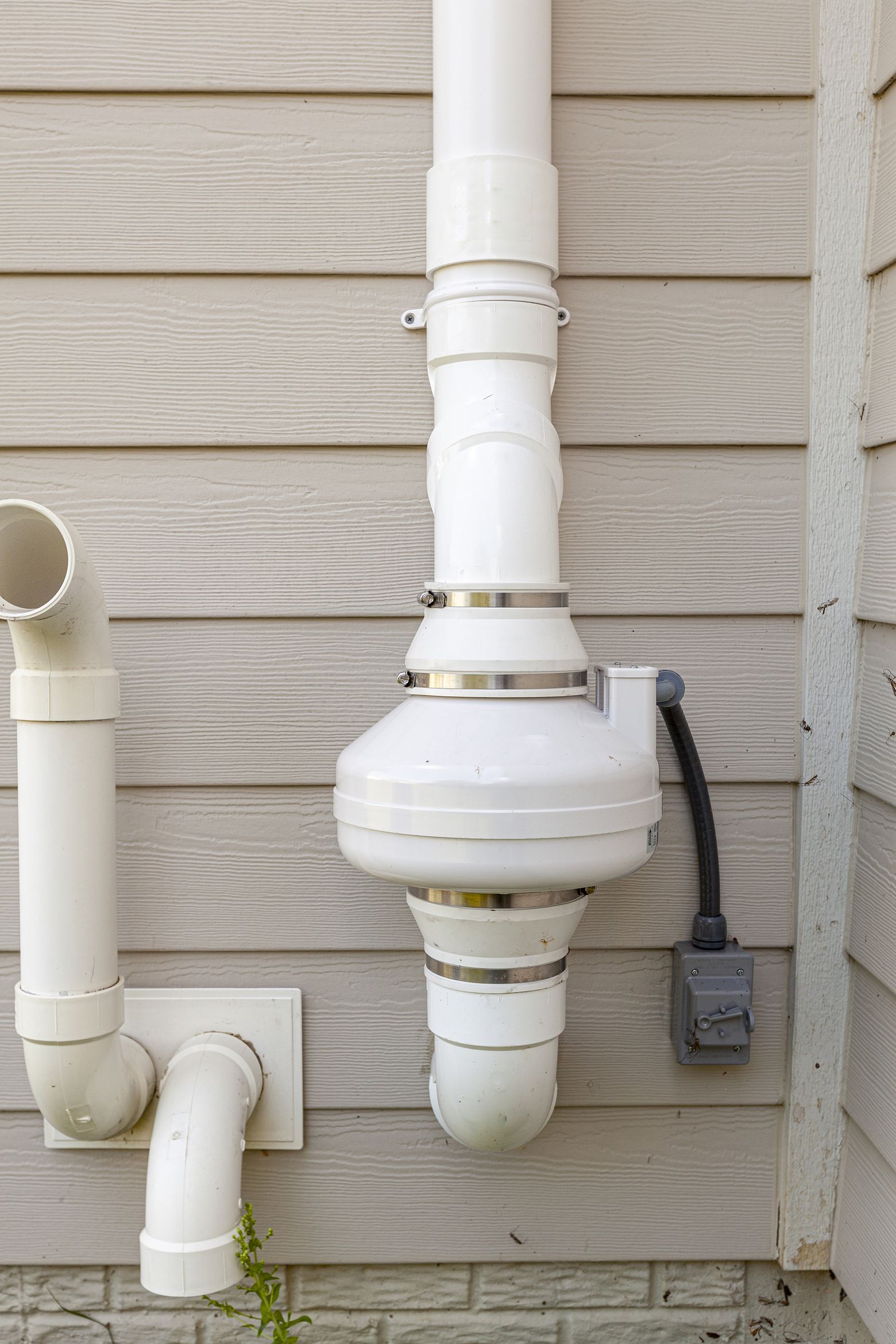
Radon gas is a naturally occurring radioactive gas that can pose serious health risks if found in high concentrations inside homes and buildings. It is colorless, odorless, and tasteless, making it virtually undetectable without specific testing. Once identified, the next logical concern for homeowners is: how long does radon gas removal really take?
In this comprehensive guide, we’ll explore the timeline of radon mitigation—from testing and diagnosis to full removal and follow-up. We’ll also touch on the methods used, factors that influence the time required, and what homeowners can realistically expect during the process.
What is Radon and Why is It Dangerous?
Before diving into the removal timeline, it’s important to understand what radon is and why mitigation is critical.
Radon is formed from the natural breakdown of uranium in soil, rock, and water. It seeps into buildings through cracks in foundations, floor joints, sump pumps, and other structural openings. When radon becomes trapped indoors, it can accumulate to dangerous levels.
According to the Environmental Protection Agency (EPA), radon exposure is the second leading cause of lung cancer in the United States, right after smoking. Long-term exposure to high levels can be lethal.
The EPA recommends taking action if radon levels exceed 4.0 picocuries per liter (pCi/L) of air. Even levels between 2 and 4 pCi/L may warrant mitigation, especially in high-risk households or in areas with a history of elevated radon concentrations.
The Full Timeline of Radon Gas Removal
Radon mitigation isn’t an overnight process. While some parts of the procedure can be completed in hours, the entire journey—from detection to long-term monitoring—may span a few days to several weeks depending on various factors.
Here is a detailed breakdown of each stage:
1. Initial Radon Testing (2 to 7 days)
Time: 2 to 7 days
Before any mitigation work can begin, radon levels must be accurately assessed through testing. There are two primary types of tests:
- Short-term test: Lasts 2 to 7 days, uses activated charcoal kits or electronic monitors.
- Long-term test: Lasts 90 days to 1 year, gives a more accurate picture over time.
For homeowners concerned about quick results, short-term testing is the most common starting point. Test kits can be purchased at hardware stores, online, or provided by local health departments.
Once the test is completed, it is either sent to a lab (for charcoal kits) or analyzed immediately (if using a digital detector). This step typically takes 1–2 additional days for lab-processed kits.
2. Consulting a Radon Mitigation Specialist (1–3 days)
Time: 1 to 3 days
If radon levels are elevated, the next step is to contact a licensed radon mitigation contractor. Scheduling a consultation typically takes a day or two, depending on demand in your region.
During the consultation, the professional will:
- Inspect the home’s layout and foundation
- Identify entry points for radon
- Recommend a mitigation system
- Provide a time estimate and cost quote
This stage usually wraps up quickly, though actual availability of contractors can sometimes
delay progress by a few days or even a week in peak seasons.
3. Installation of Radon Mitigation System (4 to 8 hours)
Time: 4 to 8 hours
Once the plan is approved, the actual installation of a radon mitigation system is relatively quick. Most standard systems can be installed in one business day.
There are different types of mitigation systems, including:
- Sub-slab depressurization (most common): A pipe is inserted beneath the foundation to vent radon outdoors using a fan.
- Drain-tile suction: Utilizes existing drain tiles to draw radon gas.
- Crawl space ventilation: Involves sealing and ventilating crawl spaces to prevent radon buildup.
The complexity of the job depends on your home’s structure, foundation type (slab, basement, or crawlspace), and existing ventilation systems. A straightforward system may take only 4–5 hours, while more complex installations may stretch to 8 hours or more.
4. Post-Mitigation Testing (2 to 7 days)
Time: 2 to 7 days
After installation, it’s crucial to verify the system’s effectiveness. This is done through post-mitigation testing, usually a repeat of the initial short-term test.
This phase helps ensure radon levels have dropped below the EPA-recommended action level. It’s typically conducted 24 hours after the system is turned on, and testing may last another 2 to 7 days.
Some professionals include this as part of the mitigation service, while others may require the homeowner to conduct it independently.
5. Follow-up Monitoring and Maintenance (Ongoing)
Time: Ongoing
While not part of the immediate timeline, it’s important to note that radon levels can fluctuate seasonally. Follow-up long-term testing is often advised 3 to 6 months after installation, particularly in regions with large temperature swings or shifting soil conditions.
Mitigation systems also require annual maintenance, including:
- Checking the fan function
- Inspecting seals and pipes
- Monitoring the system gauge
This ensures long-term performance and safety.
Factors That Can Affect Radon Removal Time
1. Type of Building Foundation
- Basement: Easier to access and more common for mitigation systems.
- Crawl Space: May require sealing and more complex ventilation.
- Slab-on-grade: Harder to access beneath the floor, sometimes requiring core drilling.
2. Weather and Seasonality
Radon levels can be higher in winter, when homes are sealed and less ventilated. Cold weather can also delay installation due to frozen ground or snow.
3. Contractor Availability
In areas with high radon levels or during busy seasons, there may be a waitlist for professional mitigation services.
4. Home Size and Complexity
Larger homes or those with multiple foundations may require multiple suction points and more extensive work, increasing both time and cost.
5. System Type Installed
Passive systems (used during home construction) take less time than active systems, which involve powered fans and piping.
DIY Radon Mitigation: Is It Faster?
Some homeowners attempt DIY radon mitigation. While kits and instructions are available, this approach comes with several caveats:
- Time-consuming if unfamiliar with home ventilation and structural work.
- Less effective, especially in homes with complex foundations.
- No professional testing guarantee post-installation.
While DIY might save on immediate costs, it often results in longer timelines and higher risk of improper sealing or inadequate ventilation.
How to Speed Up the Radon Removal Process
- Test during the off-season: Avoid winter rush for contractors.
- Use electronic radon detectors for faster results.
- Get multiple quotes to find available contractors more quickly.
- Prepare the space in advance (clear access points, seal obvious cracks).
- Use certified professionals with proven track records and quick turnaround times.
Cost vs. Time: Is Faster Always Better?
Many homeowners wonder whether speeding up the process is worth the added cost. In some cases, emergency mitigation (such as before a home sale) may justify paying more for rapid service.
However, a rushed or poorly installed system can result in:
- Higher long-term costs
- Health risks due to ineffective radon removal
- Structural damage from improper venting
It’s important to balance time, cost, and quality when choosing how quickly to proceed.
Realistic Expectations: What Homeowners Should Know
- You will not be radon-free overnight. Even after installation, testing and verification take time.
- Immediate risk reduction occurs once the system is active—levels often drop within 24 to 48 hours.
- Complete peace of mind may take a few weeks, including post-testing and long-term monitoring.
Conclusion: How Long Does Radon Gas Removal Really Take?
While individual situations vary, most radon mitigation services processes take between 5 and 14 days from testing to confirmation. Actual system installation takes less than a day, but accurate testing before and after is what defines the total timeline.
The key to successful radon mitigation isn’t just speed—it’s precision, verification, and ongoing vigilance. Whether you’re addressing radon for your family’s health or preparing a home for sale, understanding the timeline empowers you to make informed, timely decisions.
If you suspect or have confirmed high radon levels, don’t delay. While the process may take a couple of weeks, the long-term benefits to your health and home are invaluable.